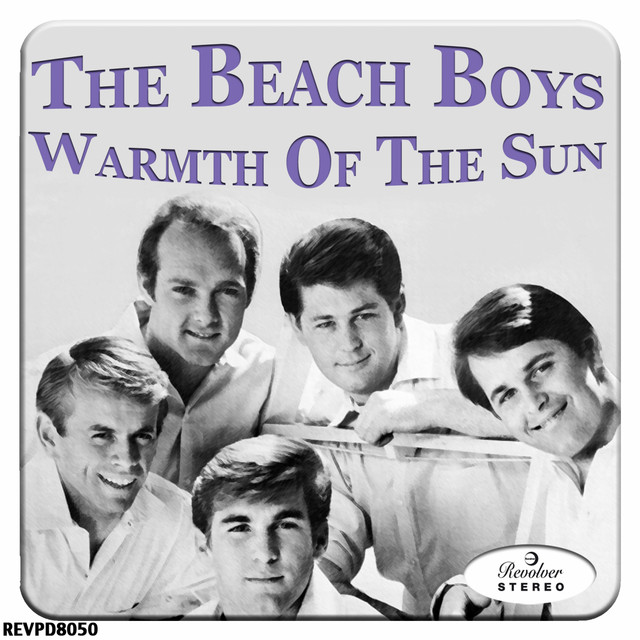
Released in March 1964 as a track on the Beach Boys’ album Shut Down Volume 2 and as the B-side to the single Dance, Dance, Dance in October 1964, The Warmth of the Sun is a poignant ballad that showcases the band’s early capacity for emotional depth and sophisticated harmonies. Written by Brian Wilson and Mike Love, the song was produced by Brian Wilson and recorded on January 1, 1964, at Western Studios in Los Angeles. Featuring the Beach Boys—Brian, Carl, and Dennis Wilson, Mike Love, and Al Jardine—the track was not a major chart hit but became a beloved classic, contributing to the album’s #13 peak on the Billboard 200.
The Warmth of the Sun emerged during the Beach Boys’ rapid ascent in the early 1960s, a period marked by hits like Surfin’ U.S.A. (1963) and their first #1, I Get Around (1964). While known for their upbeat surf and car anthems, the band began exploring introspective themes with songs like In My Room (1963), and The Warmth of the Sun further demonstrated this shift. Its lush, melancholic melody and heartfelt lyrics contrasted with the era’s rock ‘n’ roll energy, foreshadowing the emotional complexity of Pet Sounds (1966). The song’s B-side status ensured it reached a wide audience, and its inclusion on Shut Down Volume 2 highlighted the band’s versatility amid competition from The Beatles’ British Invasion.
The recording process showcased Brian Wilson’s burgeoning production talent. At 21, he crafted a delicate arrangement with minimal instrumentation—guitar, bass, drums, and piano—emphasizing the band’s harmonies. Brian’s lead vocal, shared with Mike Love, conveyed raw vulnerability, while the group’s layered harmonies created a warm, enveloping sound. The Wrecking Crew, including Hal Blaine on drums, provided subtle support, ensuring the focus remained on the vocals and melody. The song’s emotional resonance made it a fan favorite, often cited in retrospectives of the Beach Boys’ early work.
The Warmth of the Sun has had a lasting cultural impact. Covered by artists like Willie Nelson and featured in media celebrating 1960s pop, it remains a touchstone for introspective songwriting. Its exploration of love and loss resonated with 1960s youth, influencing singer-songwriters like James Taylor. While its male perspective reflects the era’s norms, its universal themes of heartbreak and resilience ensure its timeless appeal, cementing its place as a Beach Boys masterpiece.
Inspiration and Creation
The inspiration for The Warmth of the Sun was profoundly personal and tied to a historic moment. Brian Wilson and Mike Love wrote the song on November 22, 1963, hours after the assassination of President John F. Kennedy, an event that shocked the nation and left a deep emotional impact on the young songwriters. Brian, deeply affected by the tragedy, channeled his grief into the song, blending it with personal reflections on lost love, possibly inspired by his own romantic experiences or the universal ache of heartbreak. The song’s title and imagery, evoking the sun’s enduring warmth, emerged as a metaphor for finding solace amid sorrow, reflecting both personal and collective mourning.
Brian’s creative process was introspective and collaborative. He composed the melody on piano, drawing on the lush harmonies of The Four Freshmen and the emotional cadences of 1950s ballads like The Platters’ Only You. The song’s minor-key verse and major-key chorus created a bittersweet arc, mirroring the lyrics’ journey from loss to hope. Mike Love’s lyrics, written in a late-night session with Brian, used simple yet poetic imagery—“The love of my life, she left me one day”—to convey heartbreak, while the refrain, “The warmth of the sun won’t ever die,” offered a glimmer of resilience. The song’s structure, with its slow build and harmonic richness, was designed to evoke deep emotion.
Recording sessions on January 1, 1964, were intimate and focused. Brian, as producer, worked with engineer Chuck Britz at Western Studios, using a three-track recorder to prioritize vocal clarity. The band handled much of the instrumentation—Carl on guitar, Dennis on drums, and Al on bass—with Brian on piano. The Wrecking Crew’s minimal involvement, primarily Blaine’s subtle percussion, ensured the song’s delicate mood. Brian and Mike’s shared lead vocals, backed by the band’s intricate harmonies, created a choral effect, evoking a sense of shared solace. Brian’s perfectionism led to multiple vocal takes, ensuring the harmonies conveyed the intended warmth and melancholy.
External factors shaped the song’s creation. Capitol Records, riding the success of Surfin’ U.S.A., supported Shut Down Volume 2’s diverse tracklist, allowing Brian to include ballads alongside rockers. The 1964 music scene, with The Beatles’ Please Please Me and Motown’s rise, demanded emotional resonance, and The Warmth of the Sun delivered, balancing the band’s fun-loving hits with depth. Its release in March 1964, amid national mourning for Kennedy, resonated with listeners seeking comfort, amplifying its emotional impact.
Themes and Conveyed Content
Lyrically, The Warmth of the Sun is a tender exploration of heartbreak, resilience, and the enduring power of love. The narrator mourns a lost relationship—“The love of my life, she left me one day”—expressing sorrow and loneliness: “I cried when she said she didn’t need me anymore.” Yet, the refrain, “But I can feel the warmth of the sun,” suggests that love’s memory persists, offering solace like sunlight. Brian and Mike’s gentle vocals, paired with the band’s enveloping harmonies, create an intimate, confessional tone, inviting listeners into the narrator’s emotional journey.
The song’s themes reflect the early 1960s’ blend of personal and collective vulnerability. The narrator’s heartbreak mirrors universal experiences of loss, resonating with teens navigating young love, while the Kennedy assassination’s shadow adds a layer of communal grief. The sun, a recurring motif in Beach Boys songs, symbolizes hope and continuity, suggesting that love’s essence endures despite pain. Unlike upbeat anthems like Fun, Fun, Fun, The Warmth of the Sun embraces introspection, offering a poignant counterpoint to the era’s optimism and a solace for its anxieties, including the Cold War and social change.
Musically, The Warmth of the Sun conveys warmth and melancholy. The slow tempo and minor-key verse evoke sorrow, while the major-key chorus lifts with hope, mirroring the lyrics’ emotional arc. The minimalist arrangement—soft guitar, piano, and subtle drums—creates a delicate, almost sacred atmosphere, complemented by the harp-like vocal harmonies. Brian’s production, with its dynamic vocal layering and clean mix, balances intimacy with grandeur, making the song feel both personal and universal.
Culturally, The Warmth of the Sun expanded the Beach Boys’ image beyond surf and car culture, aligning with the era’s growing interest in emotional authenticity, seen in folk and early singer-songwriter movements. For listeners, it offered a relatable portrait of loss and healing, amplifying the band’s emotional range and California’s allure as a place of introspection. Its male-centric perspective reflects 1960s norms, but its universal themes mitigate modern critique. The song’s timeless appeal lies in its tender depiction of love’s lasting glow, evoking solace in the face of sorrow.
Lyrics
What good is the dawn
That grows into day
The sunset at night
Or living this way
For I have the warmth of the sun
(Warmth of the sun)
Within me at night
(Within me at night)
The love of my life
She left me one day
I cried when she said
She didn’t need me anymore
But I can feel the warmth of the sun
(Warmth of the sun)
Whenever I’m alone
(Whenever I’m alone)
The warmth of the sun
Won’t ever die
The warmth of the sun
Won’t ever die
The love that we knew
Is waiting for me
The stars in the sky
Will shine endlessly
For I have the warmth of the sun
(Warmth of the sun)
Within me tonight
(Within me tonight)
The warmth of the sun
Won’t ever die
The warmth of the sun
Won’t ever die